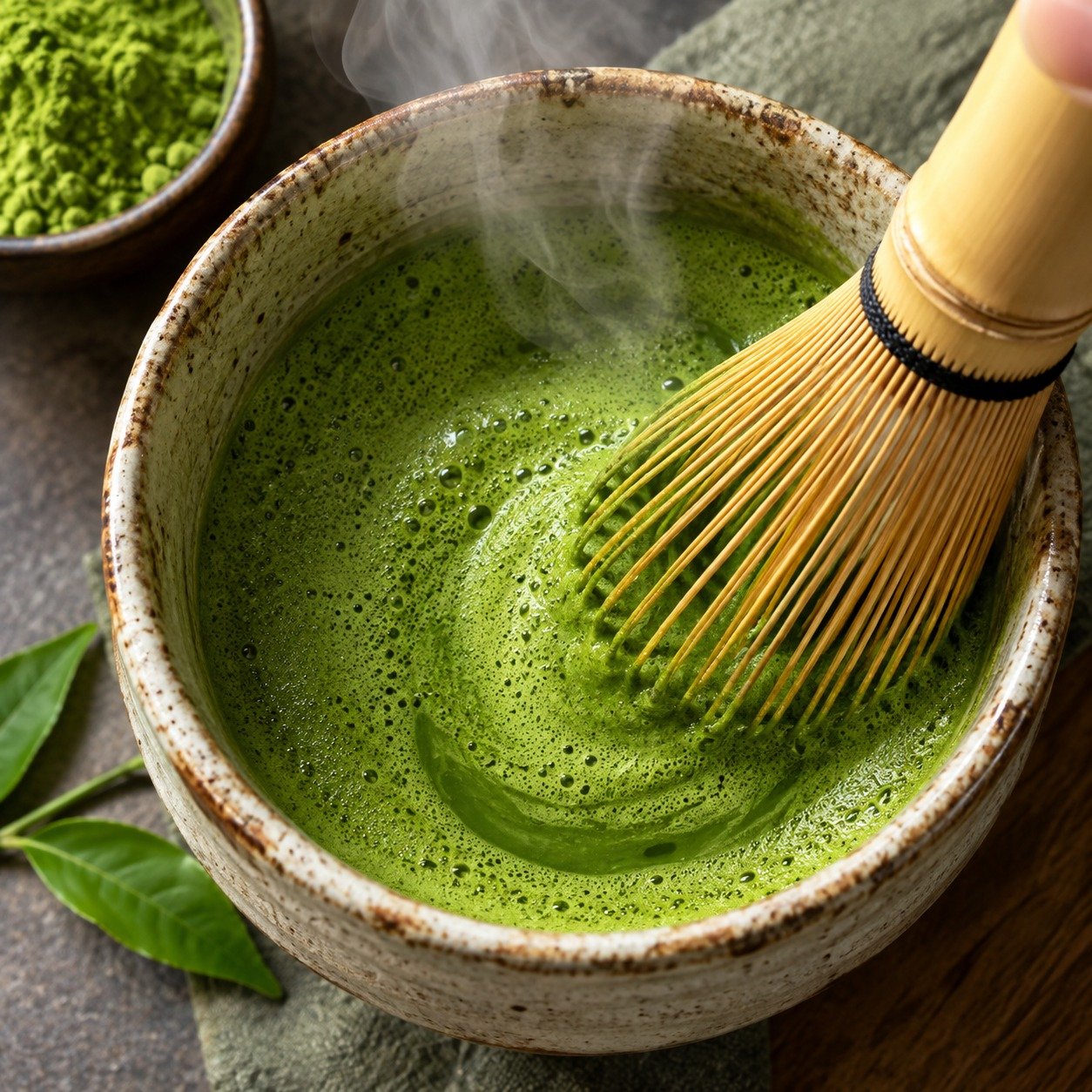
Matcha contains about 19–44 mg of caffeine per gram of powder, so a typical 2-gram serving can provide roughly 38–88 mg of caffeine around the same as half a cup of coffee. However, caffeine levels can vary quite a bit from one matcha to another. The grade, harvest time, amount of shading, and serving size can all affect how much caffeine ends up in your cup. If you’re looking for a stronger boost, choose the Matcha Powders With the Most Caffeine they are usually made from leaves grown under longer periods of shade and prepared with a higher concentration of caffeine.
If you want a serious caffeine boost from matcha, here’s what to buy and more importantly, why those choices matter.
How Matcha Caffeine Works (Before You Buy)
Before jumping to the list, it helps to understand why some matcha hits harder than others.
Shade-growing is the biggest factor. During the final 3–4 weeks before harvest, matcha farmers cover the tea plants to block sunlight. Deprived of light, the plant goes into a kind of survival mode it ramps up production of chlorophyll, L-theanine, and caffeine. Plants shaded for longer periods generally produce leaves with higher concentrations of both caffeine and L-theanine than unshaded green teas.
First-harvest leaves (ichibancha) are denser with caffeine. The youngest spring buds and leaves those picked in early spring naturally contain higher caffeine concentrations than leaves harvested later in the season. Ceremonial-grade matcha uses these first-flush leaves. Culinary grade matcha typically uses later harvests, where the leaves have matured and diluted.
Serving size is the most controllable variable. If you use 3–4 grams per serving instead of the standard 1–2 grams, you’re doubling or tripling your caffeine intake regardless of brand.
L-theanine softens the caffeine without reducing it. High-quality matcha contains L-theanine an amino acid that modulates how caffeine affects the brain. You still get the caffeine; the experience just tends to be steadier and less jittery than coffee because the L-theanine slows absorption and promotes alpha brain wave activity.
The practical takeaway: ceremonial-grade, first-harvest, shade-grown matcha from Japan will consistently deliver more caffeine per gram than culinary-grade alternatives.
What “Ceremonial Grade” Actually Means
Ceremonial grade is not a regulated term. Any brand can print it on a tin. What actually signals quality:
- Japanese origin — specifically Uji (Kyoto), Nishio (Aichi), or Yame (Fukuoka)
- First harvest — labeled as ichibancha or “first flush”
- Shade-grown — minimum 3 weeks before harvest
- Vivid green color — bright jade, not olive or yellow
- Fine texture — silky, not gritty
With that context, here are 11 matcha powders worth choosing if caffeine output matters to you.
15 Matcha Powders With the Most Caffeine
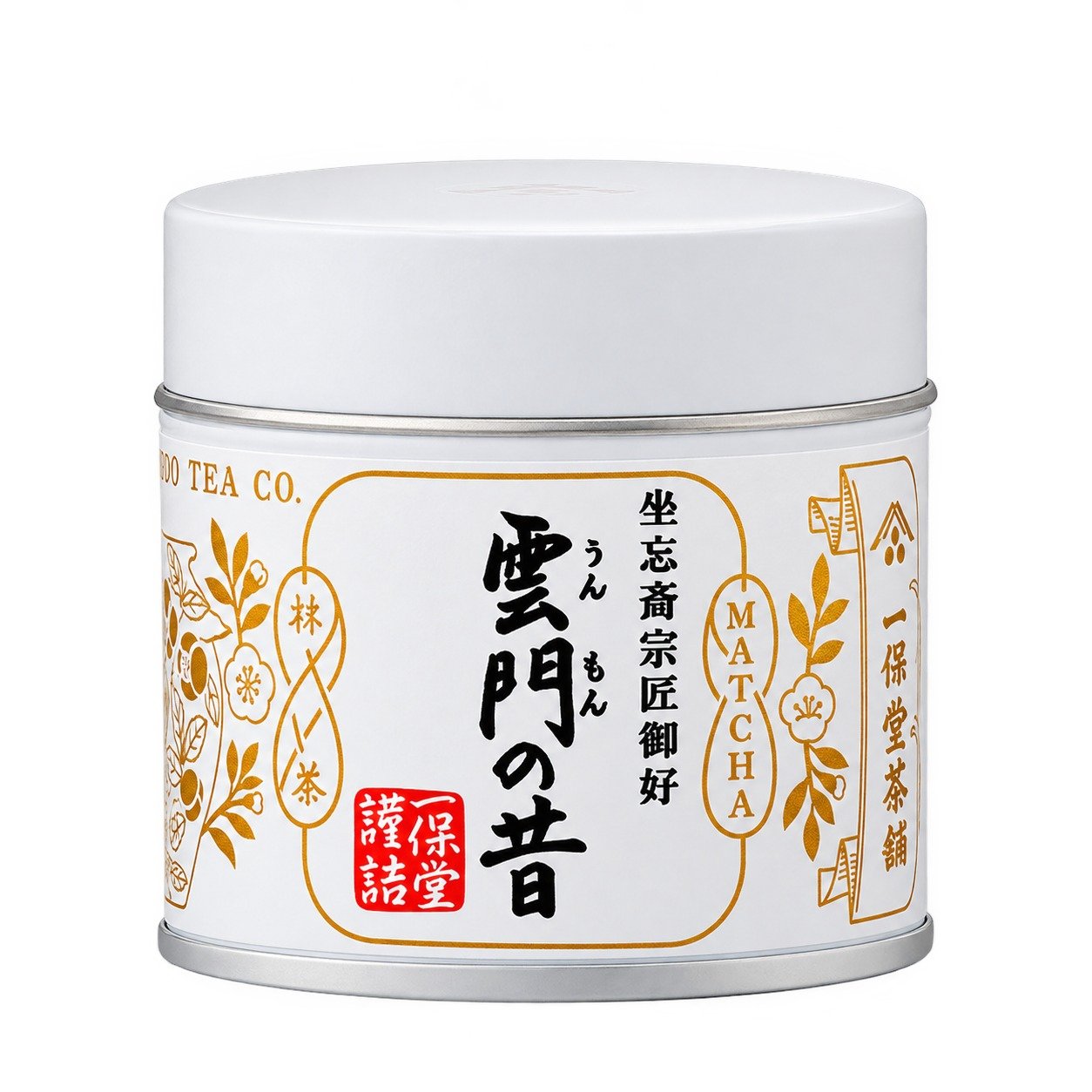
1. Ippodo Tea – Ummon Mukashi
Caffeine per 2g serving: ~60–80 mg (estimated)
Grade: Ceremonial / Koicha
Origin: Uji, Kyoto
Ippodo has been in business since 1717. The Ummon-no-Mukashi is their top-tier everyday ceremonial option dense, umami-forward, and produced from shade-grown Uji leaves. Because this is a premium koicha-style matcha, it’s typically prepared with a larger amount of powder (up to 4 grams for thick tea), which means significantly more caffeine than a standard thin tea preparation.
Ippodo doesn’t print exact caffeine milligrams on their packaging, but their ceremonial grades are consistently among the richest in active compounds due to strict traditional cultivation.
Best for: Anyone who wants a traditional, high-output matcha experience.
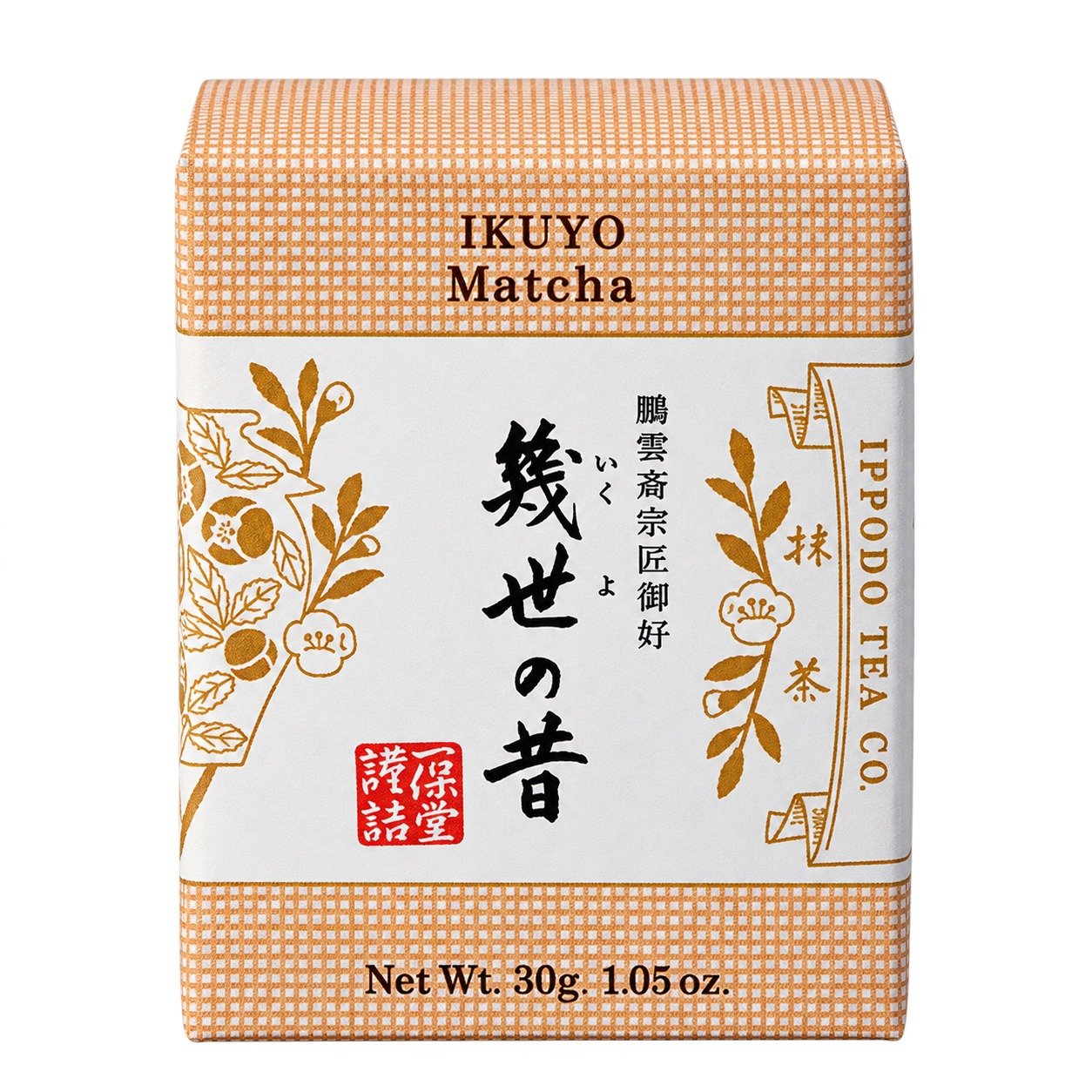
2. Ippodo Tea – Ikuyo Mukashi
Caffeine per 2g serving: ~55–75 mg (estimated)
Grade: Ceremonial
Origin: Uji, Kyoto
A step below Ummon in price but nearly identical in production quality. Ikuyo is one of Ippodo’s most popular blends first-harvest, shade-grown, and balanced in flavor. Because you’re getting the same high-grade leaf origin, the caffeine content is comparable to Ummon.
Best for: Daily matcha drinkers who want premium quality at a slightly lower price point.
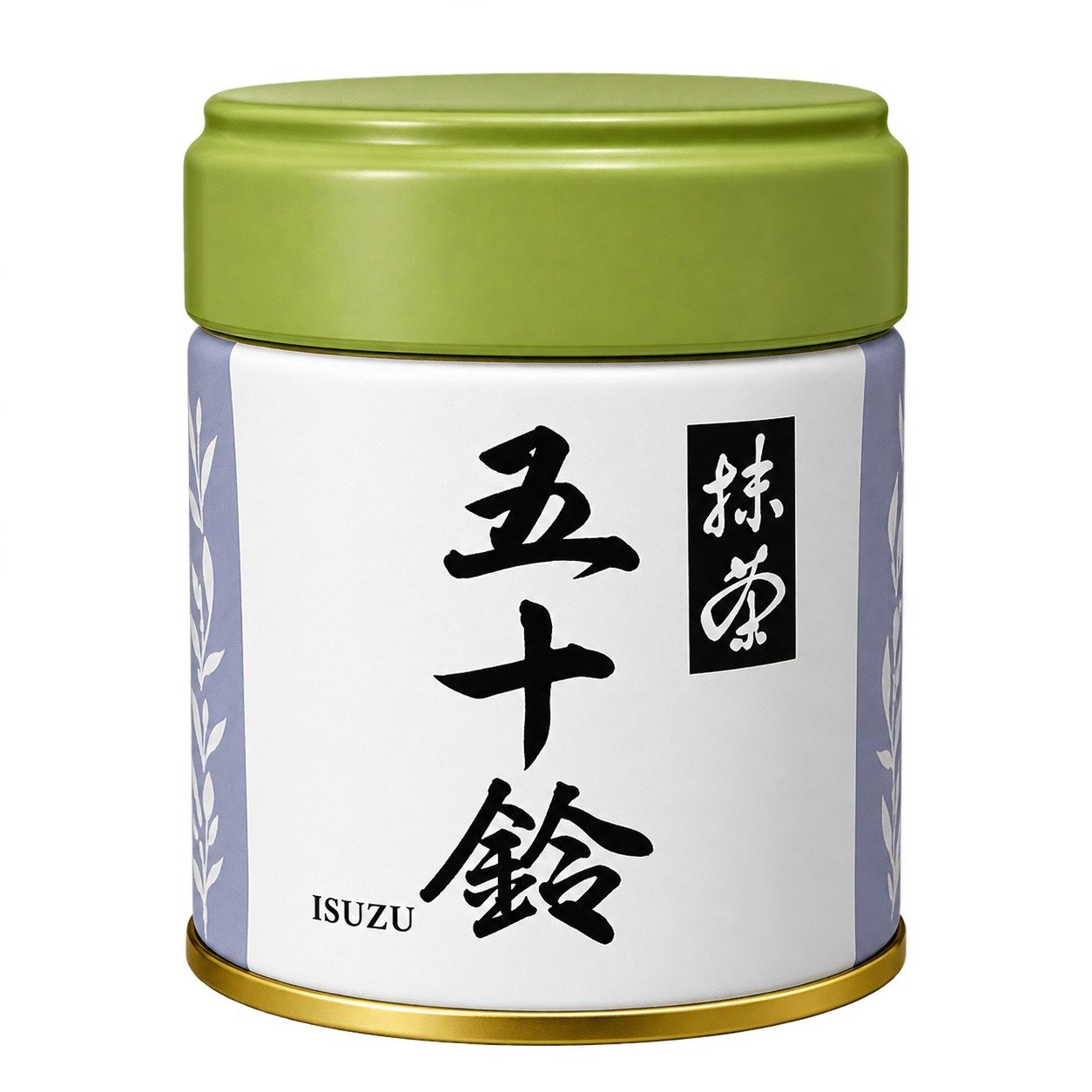
3. Marukyu Koyamaen – Isuzu
Caffeine per 2g serving: ~60–80 mg (estimated)
Grade: Ceremonial
Origin: Uji, Kyoto
Marukyu Koyamaen has been producing matcha in Uji for over 300 years. The Isuzu blend is widely considered an “endgame” usucha by matcha enthusiasts not because of hype, but because of its clean aroma, fine texture, and silky consistency. First-harvest Uji leaves mean high caffeine density. Expensive, but the compound concentration is genuine.
Best for: Serious matcha drinkers willing to pay for a traditional tea house product.
4. Marukyu Koyamaen – Aoarashi
Caffeine per 2g serving: ~55–75 mg (estimated)
Grade: Ceremonial
Origin: Uji, Kyoto
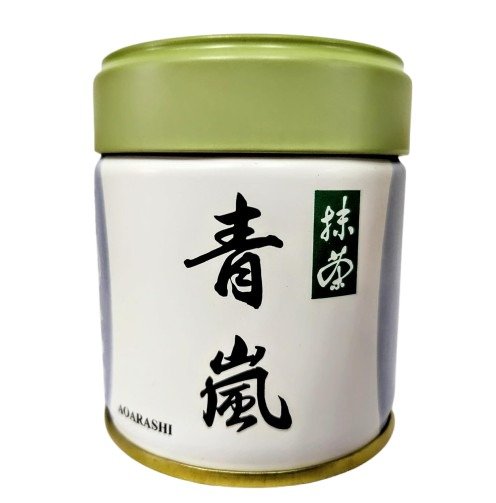
Aoarashi is Marukyu’s more accessible ceremonial tier vivid green, first-harvest, and notably smooth. The caffeine profile matches its grade: high, because the leaves are cultivated and harvested the same way as their premium blends.
Best for: Those wanting Marukyu quality without the Isuzu price tag.
5. Encha Ceremonial Grade Organic Matcha
Caffeine per 2g serving: ~60–70 mg (brand-reported)
Grade: Ceremonial
Origin: Uji, Kyoto
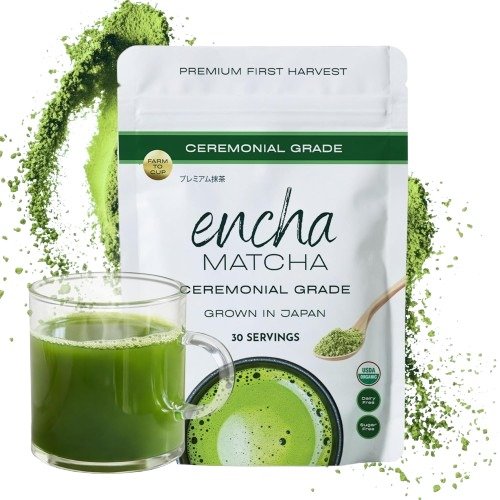
Encha is one of the few brands that publicly reports caffeine content — approximately 30–35 mg per gram, translating to 60–70 mg for a 2-gram serving. It’s also USDA certified organic, which is unusual for high-quality Japanese matcha. Encha sources directly from a single farm in Uji and processes on-demand to maximize freshness.
The reported caffeine data makes Encha one of the more transparent options on this list, which is useful if you’re monitoring your intake.
Best for: Those who want organic certification and verifiable caffeine data.
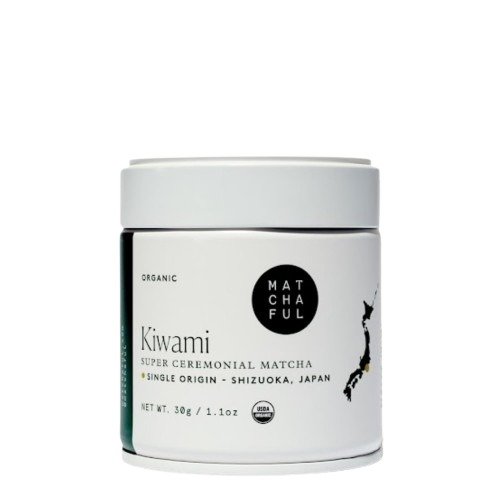
6. Matchaful – Ceremonial
Caffeine per gram: ~32 mg (brand-reported)
Caffeine per 2g serving: ~64 mg
Grade: Ceremonial
Origin: Uji, Kyoto
Matchaful publishes caffeine data per gram on their website, which puts them ahead of most competitors in terms of transparency. At approximately 32 mg per gram, a 2-gram serving yields around 64 mg of caffeine solidly in the high-output range. They source single-origin from Uji and maintain strict freshness standards.
Best for: People who want to calculate their caffeine dose precisely.
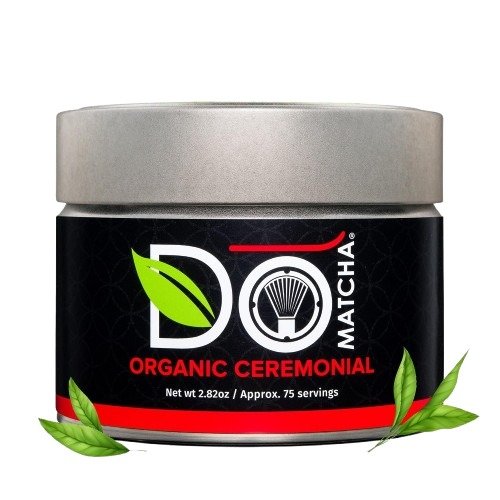
7. DoMatcha – Organic Ceremonial Grade
Caffeine per 2g serving: ~60–70 mg (estimated)
Grade: Ceremonial
Origin: Uji, Kyoto
DoMatcha has been a long-running recommended brand among nutrition writers and matcha communities. Their ceremonial tier is first-harvest, shade-grown, and organic. The vibrant color and fine grind confirm high-grade sourcing. Caffeine output is consistent with other Uji first-flush products.
Best for: Matcha drinkers who want organic, widely available, reasonably priced ceremonial matcha.
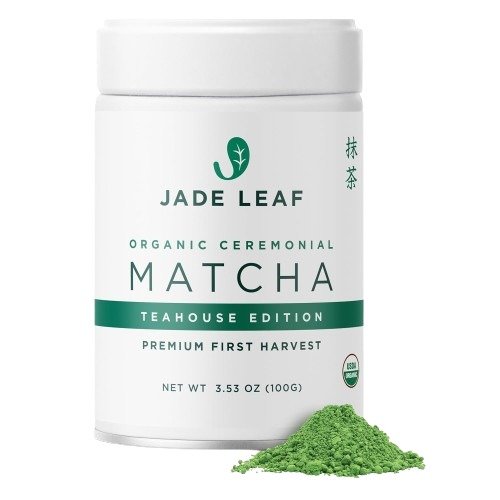
8. Jade Leaf – Ceremonial Grade Matcha
Caffeine per 2g serving: ~60–80 mg (estimated)
Grade: Ceremonial
Origin: Uji, Kyoto
Jade Leaf is widely accessible available at most health food stores and online retailers. Their ceremonial grade is sourced from Uji first harvests and shade-grown using standard Japanese methods. Caffeine output aligns with the grade. It’s not a boutique tea house, but the sourcing is legitimate, and the product performs at its price point.
Best for: Beginners who want a reliable ceremonial-grade option without importing.
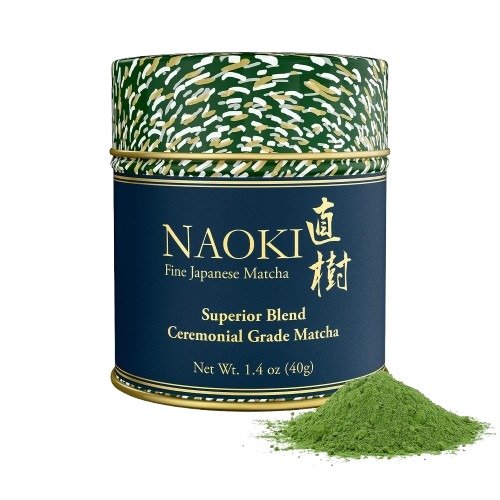
9. Naoki Matcha – Superior Ceremonial Grade
Caffeine per 2g serving: ~60–75 mg (estimated)
Grade: Ceremonial
Origin: Uji, Kyoto
Naoki is a smaller brand focused on small-batch freshness and regional transparency. Their Superior Ceremonial blend comes from first-harvest Uji leaves and has been noted in blind comparisons for outperforming mid-range brands at a comparable price. The caffeine profile matches a genuine ceremonial-grade product.
Best for: Value-focused buyers who want first-harvest quality without luxury pricing.
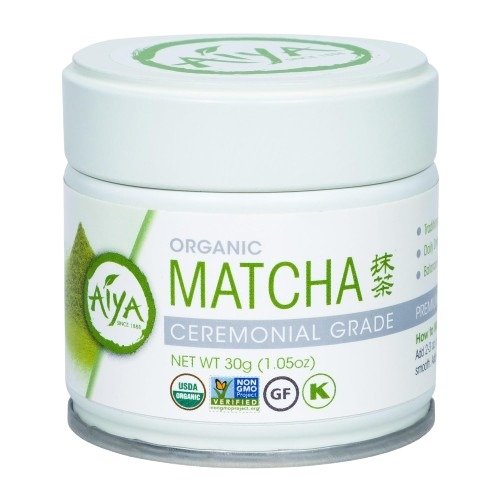
10. Aiya – Ceremonial Grade Matcha
Caffeine per 2g serving: ~60–75 mg (estimated)
Grade: Ceremonial
Origin: Nishio, Aichi
Aiya is one of Japan’s largest matcha producers and supplies to both consumer and commercial markets. Their Nishio-origin ceremonial grade is first-harvest and shade-grown. Nishio has a slightly different terroir than Uji generally sweeter and milder but the cultivation methods that drive caffeine content are consistent.
Best for: Those who want a well-established brand with a large commercial track record.
11. MatchaBar – Ceremonial Grade
Caffeine per 2g serving: ~60–70 mg (estimated)
Grade: Ceremonial
Origin: Uji, Kyoto
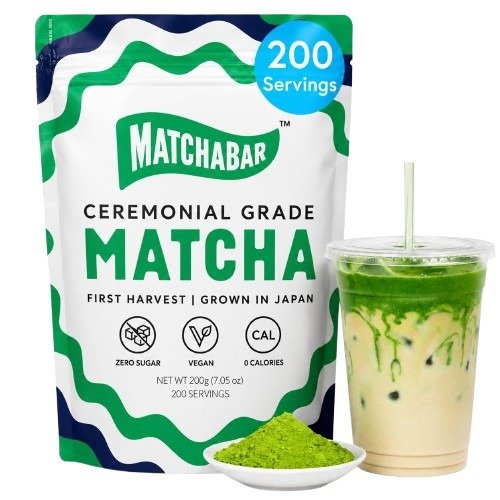
MatchaBar built its name through brick-and-mortar cafes and has expanded into retail. Their ceremonial powder is sourced from Uji and marketed specifically to people looking for a coffee replacement. Caffeine output is in line with other ceremonial-grade Uji products, and the brand is transparent about the intended use case.
Best for: Coffee switchers who want a branded ceremonial option with a consumer-facing story.
Caffeine Comparison: Matcha vs. Coffee
| Drink | Caffeine per Serving | Duration |
|---|---|---|
| Espresso (1 shot, 30ml) | ~63 mg | Short, sharp |
| Drip coffee (240ml) | ~95–200 mg | Medium |
| Matcha, 2g serving | ~38–88 mg | 4–6 hours |
| Matcha, 4g serving (koicha) | ~76–176 mg | 4–6 hours |
Matcha’s energy tends to last longer because L-theanine slows caffeine absorption. The total milligrams may be lower than a large coffee, but the sustained release is why many people find matcha more useful for focused work.
How to Get More Caffeine from Any Matcha
You don’t always need to upgrade your matcha. You can get more caffeine from whatever you’re already using:
- Use more powder. Going from 1.5g to 3g doubles your caffeine intake.
- Use a scale, not a spoon. A teaspoon of matcha can weigh anywhere from 1 to 3 grams depending on how it’s packed. A scale gives you accurate, repeatable dosing.
- Drink it straight. Preparing matcha with water rather than milk means faster caffeine absorption. Milk doesn’t reduce the caffeine, but it may slow digestion slightly.
- Avoid old or badly stored matcha. Matcha degrades quickly when exposed to air, light, and heat. Old matcha loses flavor faster than caffeine, but a tin that’s been open for months in a warm kitchen isn’t performing at its best.
Common Questions About Matcha and Caffeine
Does ceremonial grade always have more caffeine than culinary grade?
Generally yes, but not always. The grade labels are unregulated. What matters is whether the matcha comes from first-harvest, shade-grown leaves. Most legitimate ceremonial grades do — most culinary grades don’t. If a brand is vague about harvest and shading, the label alone means nothing.
How much caffeine is too much matcha?
The FDA considers up to 400 mg of caffeine per day safe for healthy adults. A 2-gram serving of matcha delivers 38–88 mg. Even at 3–4 servings a day, you’re likely well within safe limits — though individual sensitivity varies. If you’re pregnant, have a heart condition, or are sensitive to caffeine, consult a doctor about your intake.
Is matcha stronger than green tea?
Significantly. With regular brewed green tea, you steep the leaves and discard them. With matcha, you consume the entire leaf as a powder. You’re getting all the caffeine in the leaf, not just what diffuses into the water. Matcha typically has 3–4 times the caffeine of a same-sized cup of brewed green tea.
Why does matcha feel different from coffee even at similar caffeine levels?
The L-theanine. It promotes alpha brain wave activity, which produces a calm, alert state. The caffeine still stimulates it doesn’t disappear but the jitteriness and sharp crash common with coffee are much less pronounced in matcha because the amino acid moderates the rate of absorption.
Can I use culinary-grade matcha for a caffeine boost?
Yes, but it’s less efficient. Culinary grade is typically from later harvests, so the caffeine-per-gram density is lower than ceremonial grade. You’ll need more powder to achieve the same effect, and later-harvest matcha tends to be more bitter, so that becomes unpleasant quickly.
What to Look for on the Label
Before buying, check for:
- “First harvest” or “ichibancha” — confirms the caffeine-dense young leaves
- Specific Japanese origin — Uji, Nishio, or Yame are credible regions
- Shade-grown — the method that drives up caffeine and L-theanine
- Bright green color in product photos — not olive, dull, or brownish
- Stone-milled — traditional processing that preserves compound integrity
- Milling date — freshness matters; look for a tin less than 6 months from milling
Brands that disclose caffeine content per gram are particularly useful if you’re tracking intake. Matchaful and Encha are among the few that do.
Conclusion
If you want Matcha Powders with the Most Caffeine, buy ceremonial-grade, first-harvest matcha from Uji or Nishio and use a scale so you know exactly how much you’re taking in. Brands like Ippodo, Marukyu Koyamaen, Encha, and Matchaful are consistently reliable choices, whether you’re prioritizing tradition, organic certification, or dosing precision.
The matcha itself matters, but so does how you prepare it. A 4-gram koicha preparation of any high-quality ceremonial matcha will outdeliver a 1-gram scoop of even the most expensive tin.