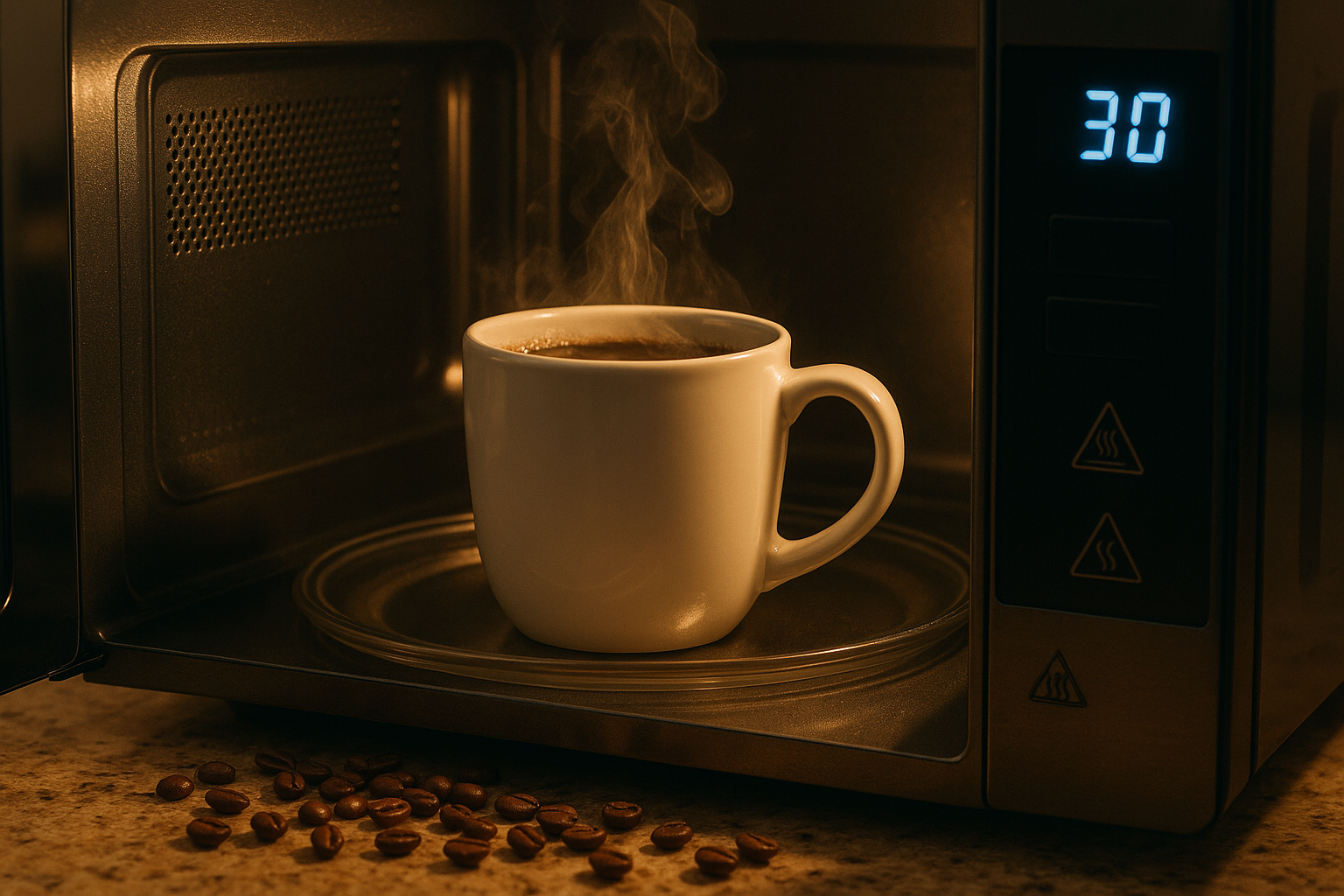
The Microwave is a common question for anyone who hates wasting a cup of cold brew. Whether you got distracted by work emails or simply made too much coffee, we’ve all faced the dilemma of what to do with lukewarm coffee.
Most coffee lovers know the frustration of taking that first sip only to realize their morning fuel has gone cold. While some people pour it down the drain and start fresh, others want to salvage their investment. The good news is that reheating coffee in the microwave is possible, but there are specific techniques that preserve flavor and ensure safety.
This guide covers everything you need to know about microwaving coffee safely, including the science behind what happens when you reheat coffee, best practices for maintaining taste, and alternative methods that might work better for your situation.
What Happens When You Heat Coffee
The Science Behind Reheating Coffee
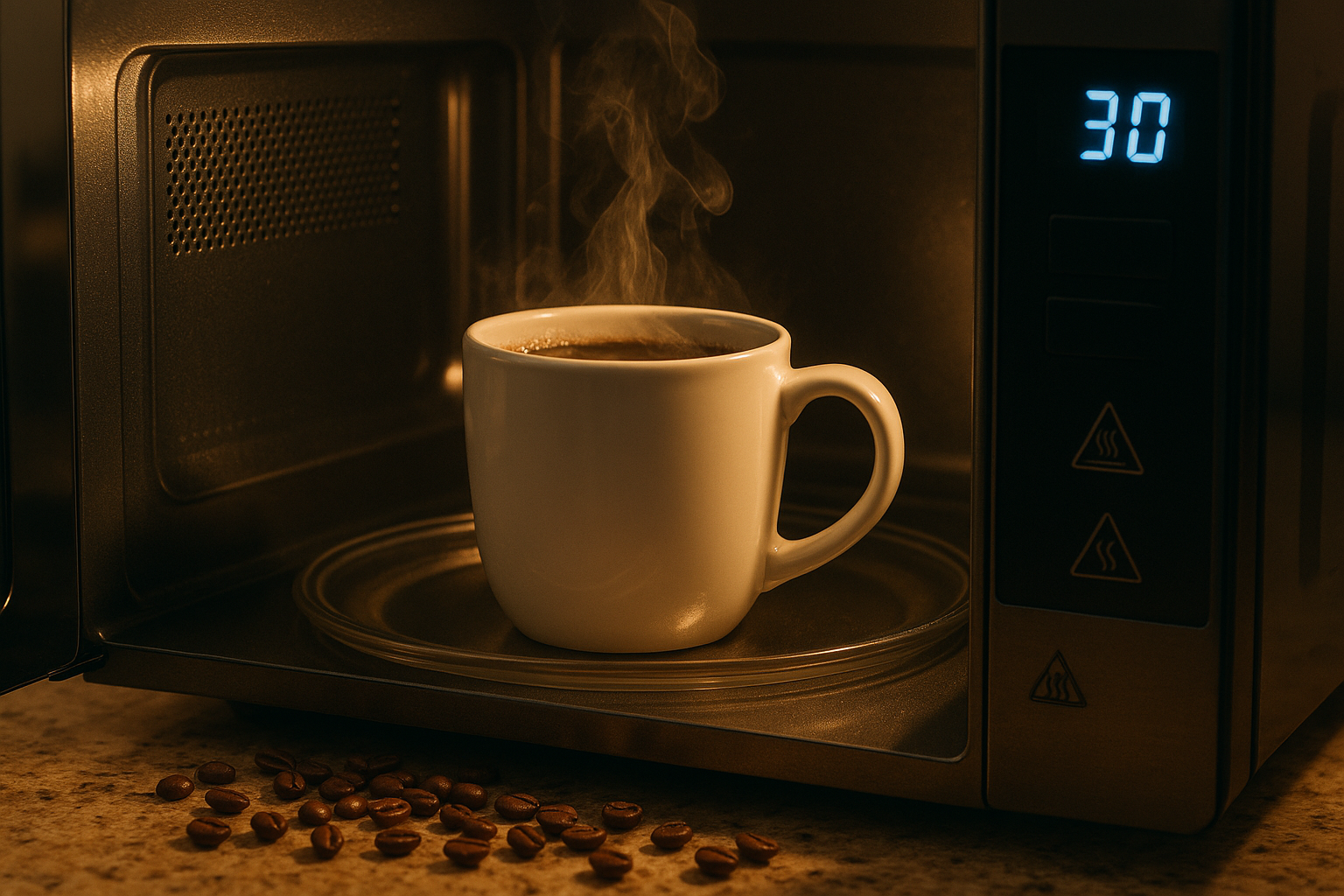
When you reheat coffee, several chemical processes occur that affect both taste and aroma. Coffee contains over 1,000 volatile compounds that create its complex flavor profile. Heat exposure breaks down these delicate compounds, particularly the aromatic oils that give coffee its pleasant smell.
Oxidation accelerates during reheating. The longer coffee sits exposed to air, the more oxygen interacts with the coffee’s organic compounds. This process creates new chemical structures that taste bitter and harsh.
Acidity levels increase as heat breaks down chlorogenic acids into quinic and caffeic acids. These compounds create the sour, unpleasant taste often associated with reheated coffee.
The Maillard reaction continues during reheating, but not in a beneficial way. Unlike the controlled roasting process, microwave heating creates uneven temperature distribution that can produce burnt flavors without the balanced complexity of properly roasted beans.
Does Microwaving Coffee Change the Flavor?
Microwaving definitely changes coffee’s flavor, but understanding why helps you minimize negative effects. Heat distribution in microwaves is uneven, creating hot spots that can scorch coffee while leaving other areas barely warm.
Aromatic compound breakdown happens faster in microwaves due to rapid heating. The volatile oils that create coffee’s signature aroma evaporate quickly when exposed to high heat, leaving behind a flat, lifeless taste.
Tannin concentration increases during reheating. These naturally occurring compounds become more pronounced, adding astringency and bitterness that overwhelms the coffee’s original flavor balance.
Research from the Specialty Coffee Association shows that coffee tastes best when served between 155-175°F. Reheated coffee often exceeds these temperatures, creating harsh flavors that mask the coffee’s intended taste profile.
Can You Heat Up Coffee In The Microwave?
Yes, you absolutely can heat up coffee in the microwave safely and effectively. The key lies in using proper technique and understanding the limitations of this reheating method.
Safety considerations include using microwave-safe containers only. Ceramic and glass mugs work best, while metal containers can cause dangerous sparking. Plastic containers may release harmful chemicals when heated and can affect coffee taste.
Temperature control is crucial for acceptable results. Coffee heated above 180°F develops burnt, bitter flavors that make it undrinkable. The ideal range for reheated coffee falls between 140-160°F, which provides warmth without destroying remaining flavor compounds.
Container selection affects both safety and taste. Choose mugs with wide openings that allow even heat distribution. Avoid containers with metallic trim or decorative elements that could spark in the microwave.
Timing matters significantly when microwaving coffee. Short intervals prevent overheating and allow you to monitor temperature progression. Most standard coffee mugs require 30-60 seconds total heating time, depending on the microwave’s wattage and coffee volume.
Pros & Cons of Microwaving Coffee
Pros
Fast and convenient – Microwaving takes less than a minute, making it the quickest reheating method available. This speed makes it ideal for busy mornings or office situations where time is limited.
Minimal cleanup required – Unlike stovetop methods, microwaving uses the same mug you’ll drink from. No additional pots or pans need washing, making it perfect for single servings.
Energy efficient – Microwaves use less energy than heating an entire stovetop burner, especially for small quantities of coffee. This efficiency makes it cost-effective for occasional reheating.
Accessible everywhere – Most homes and offices have microwaves, making this method universally available. No special equipment or skills are required.
Cons
Flavor degradation is the biggest drawback. Even with perfect technique, reheated coffee never tastes as good as fresh coffee. The heating process inevitably damages delicate flavor compounds.
Uneven heating creates hot spots and cool areas within the same cup. This inconsistency can lead to scalding sips followed by lukewarm coffee, creating an unpleasant drinking experience.
Risk of superheating exists with smooth containers and distilled water. Coffee can heat beyond its boiling point without showing bubbles, then erupt violently when disturbed.
Nutrient and antioxidant loss occurs during reheating. While coffee isn’t primarily consumed for nutrition, repeated heating reduces beneficial compounds like chlorogenic acids.
Best Way to Heat Coffee in the Microwave (Step-by-Step)
Follow these actionable steps for optimal results when reheating coffee:
Step 1: Choose the Right Container
Use a microwave-safe ceramic or glass mug. Avoid plastic containers that can leach chemicals or metal containers that cause sparking.
Step 2: Add Stabilizing Ingredients (Optional)
Add a small splash of fresh water or milk to help stabilize flavors. This addition dilutes some of the concentrated bitter compounds that develop in cold coffee.
Step 3: Set Power Level
Use 50-70% power instead of full power. Lower settings provide gentler heating that reduces the risk of overheating and flavor damage.
Step 4: Heat in Short Intervals
Start with 15-20 second intervals. This step-by-step clarity prevents overheating and allows temperature monitoring.
Step 5: Stir Between Intervals
Stirring distributes heat evenly and prevents hot spots. This simple action significantly improves heating consistency.
Step 6: Test Temperature
Aim for 140-160°F for optimal drinking temperature. The coffee should feel comfortably warm, not scalding hot.
Step 7: Let It Rest
Allow 10-15 seconds for temperature to equalize before drinking. This brief wait prevents burns and allows flavors to settle.
Safety Tips for Microwaving Coffee
Container safety should be your first priority. Never use metal mugs, travel mugs with metal components, or containers with metallic decorations. These materials can cause dangerous sparking and damage your microwave.
Avoid overfilling containers to prevent spillovers. Leave at least 1/4 of the mug empty to allow for expansion and bubbling during heating.
Watch for superheating signs, especially with very smooth containers. Coffee can heat beyond boiling point without visible bubbles, then erupt when moved. Adding a wooden stirrer or leaving one in the mug can prevent this dangerous situation.
Use protective covering like a paper towel or microwave-safe plate to prevent splashing. This straightforward guidance protects both you and your microwave from hot coffee splatters.
Handle heated containers carefully using oven mitts or towels. Microwave heating can make containers extremely hot, even when the coffee inside feels only warm.
Check for cracks in mugs before microwaving. Damaged containers can shatter under heat stress, creating dangerous situations and messy cleanup.
Alternatives to Microwaving Coffee
Reheat Coffee on the Stovetop
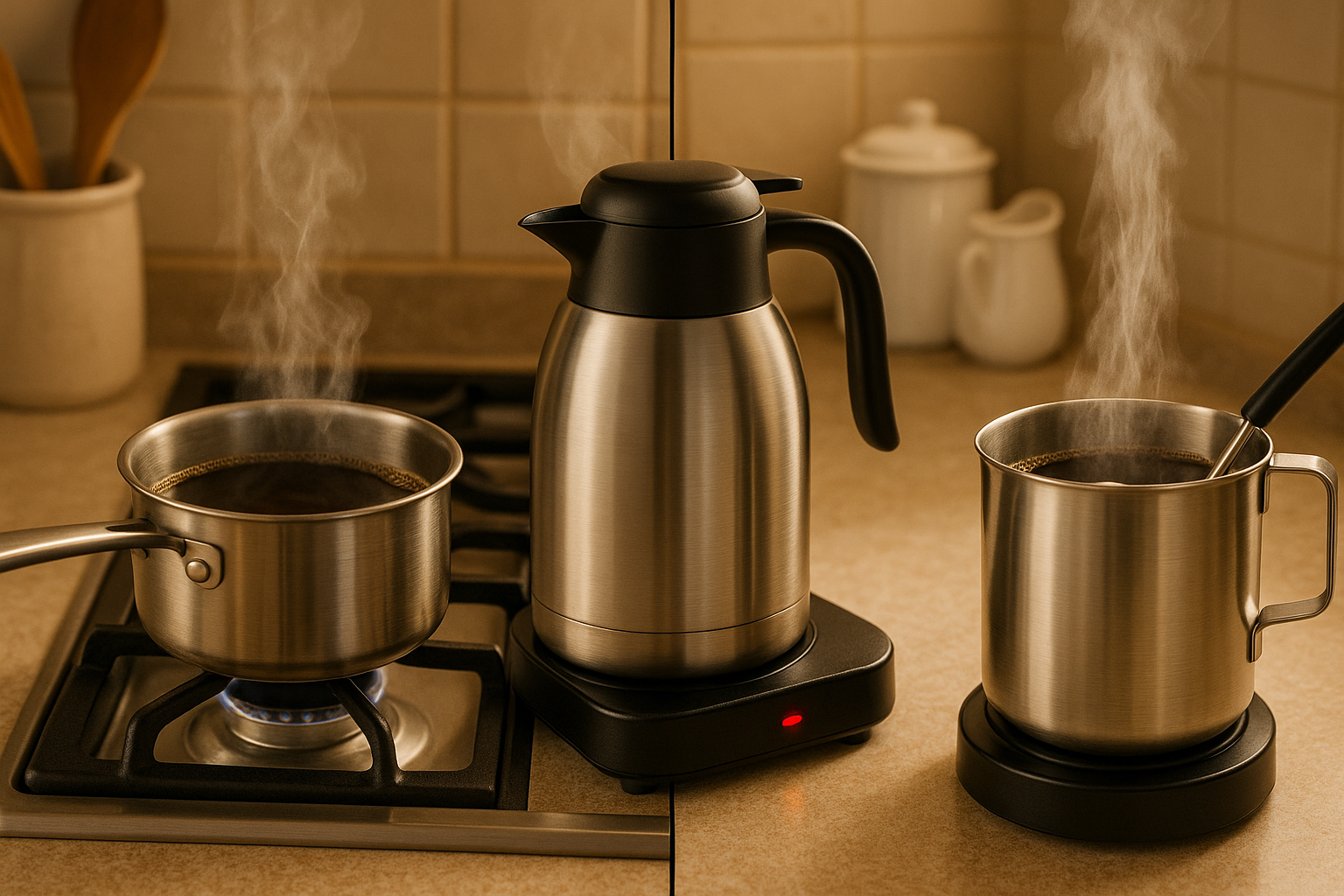
Stovetop reheating provides better flavor preservation than microwaving. Pour coffee into a small saucepan and heat over low-medium heat, stirring occasionally. This method allows precise temperature control and even heating.
The breakdown and analysis shows stovetop heating takes 2-3 minutes but produces superior taste results. The gentle, even heat doesn’t create the hot spots that damage flavor compounds in microwaves.
Best practices include using low heat and removing coffee from heat just before it reaches desired temperature. Residual heat will complete the warming process without overheating.
Use a Milk Frother or Steam Wand
Espresso machine steam wands excel at reheating coffee-based drinks. The steam provides gentle, even heating while adding pleasant texture to milk-based beverages.
Handheld milk frothers work well for smaller quantities. These devices heat coffee gradually while creating appealing foam that enhances the drinking experience.
Temperature control is easier with steam methods since you can feel the heat level through the container walls. This tactile feedback prevents overheating better than microwave guesswork.
Coffee Warmer or Thermos
Prevention beats reheating in most situations. Coffee warmers maintain optimal temperature for hours without the flavor degradation associated with reheating.
Thermal carafes keep coffee hot for 4-6 hours using vacuum insulation. This smart recommendation eliminates the need for reheating entirely.
Programmable coffee makers with thermal features brew directly into insulated containers, maintaining temperature from the first cup to the last.
Does Microwaving Affect Caffeine Levels?
Caffeine content remains stable during microwave reheating. Unlike flavor compounds, caffeine molecules are heat-stable and don’t break down at typical reheating temperatures.
Scientific studies confirm that caffeine levels don’t decrease significantly until temperatures exceed 350°F, far higher than microwave reheating achieves. Your reheated coffee contains essentially the same caffeine as when freshly brewed.
Flavor changes might make you think caffeine levels have changed, but this perception results from taste alterations, not actual caffeine loss. The bitter, harsh flavors in overheated coffee can mask caffeine’s natural mild bitterness.
Extraction efficiency doesn’t improve during reheating since no additional coffee grounds are present. You’re simply warming existing coffee, not brewing stronger coffee.
Common Mistakes When Reheating Coffee
Heating too long is the most frequent error. Many people use excessive heating times, thinking hotter equals better. This approach destroys remaining flavor compounds and creates undrinkable coffee.
Using inappropriate containers causes safety hazards and poor results. Plastic containers can melt or release chemicals, while metal containers create dangerous sparking.
Reheating coffee with cream risks curdling and separation. Dairy products don’t reheat well in microwaves, often creating lumpy, unappetizing textures.
Ignoring power settings leads to overheating. Full microwave power creates rapid, uneven heating that damages coffee quality more than gentler settings.
Skipping the stirring step results in hot spots and uneven temperatures. This oversight creates inconsistent drinking experiences and potential burning.
Reheating multiple times compounds flavor degradation. Each heating cycle damages more compounds, making coffee progressively worse with each reheat.
Frequently Asked Questions
Why does reheated coffee taste bitter?
Reheated coffee tastes bitter because heat breaks down chlorogenic acids into quinic and caffeic acids. These compounds create harsh, astringent flavors that weren’t present in fresh coffee. Additionally, continued oxidation during storage creates bitter compounds that become more concentrated during reheating.
Can I reheat coffee with milk in it?
You can reheat coffee with milk, but use extra caution. Dairy products heat unevenly and can curdle or separate. Use lower power settings (30-50%) and shorter intervals (10-15 seconds) to prevent curdling. Stir gently between heating cycles to maintain smooth texture.
Is microwaving coffee safe for health?
Microwaving coffee is safe for health when done properly. Use microwave-safe containers and avoid overheating to prevent burns. The microwave process doesn’t create harmful compounds in coffee, though it may reduce some beneficial antioxidants through heat exposure.
How many times can you reheat coffee?
Limit coffee reheating to once for best results. Each reheating cycle damages more flavor compounds and increases bitterness. While not dangerous, multiple reheating cycles create increasingly unpalatable coffee that most people find undrinkable.
Is it better to brew fresh coffee?
Fresh coffee always tastes better than reheated coffee. If time and resources allow, brewing fresh coffee provides superior flavor, aroma, and overall experience. However, reheating can be acceptable when fresh brewing isn’t practical or economical.
Conclusion
Can You Heat Up Coffee In The Microwave has a clear answer: yes, but success depends on proper technique and realistic expectations. While reheated coffee never matches fresh coffee’s quality, following the right steps can produce acceptable results for those situations where fresh brewing isn’t practical.
The key actionable steps include using microwave-safe containers, heating in short intervals, stirring between cycles, and targeting temperatures between 140-160°F. These techniques minimize flavor damage while ensuring safety.
Consider alternatives like stovetop reheating or coffee warmers when flavor quality is your priority. Prevention through thermal carafes or programmable coffee makers often provides better results than any reheating method.
Your next step should be experimenting with these techniques to find what works best for your taste preferences and lifestyle. Try the interval heating method next time you face cold coffee, and consider investing in a thermal carafe to reduce future reheating needs.
Remember that coffee quality starts with good beans and proper brewing. Even perfect reheating technique can’t fix poorly made coffee, so focus on brewing excellence first, then use these reheating methods as backup solutions for those inevitable cold coffee moments.