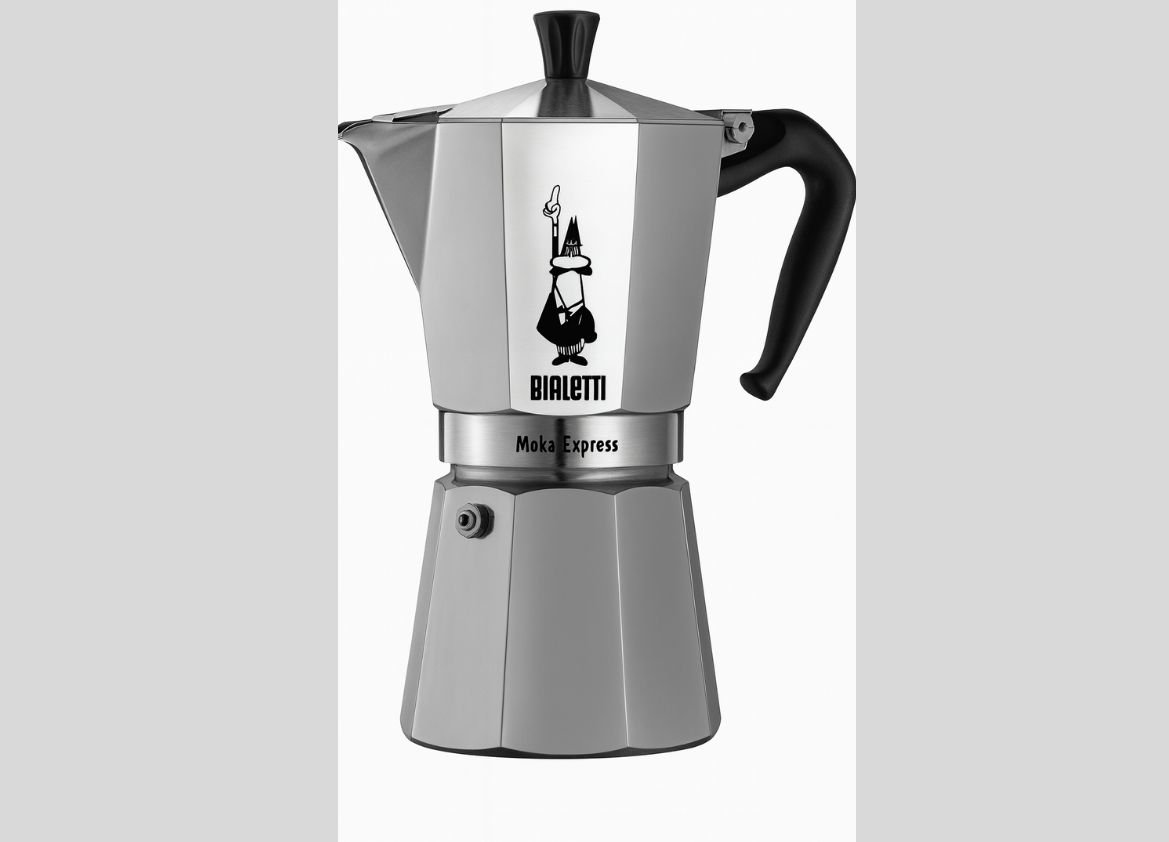
Since 1933, the distinctive octagonal silhouette of the Bialetti Moka Express has graced millions of kitchen counters worldwide, transforming ordinary mornings into authentic Italian coffee experiences. This iconic aluminum stovetop coffee maker doesn’t just brew coffee it creates a ritual that connects home brewers to nearly a century of Italian coffee tradition.
The Moka Express earned its place in coffee history by democratizing espresso-style brewing, bringing café-quality coffee to home kitchens decades before expensive espresso machines became accessible. Today, with over 300 million units sold worldwide, it represents the gold standard for moka pot brewing and serves as the benchmark against which all other stovetop brewers are measured.
What makes this aluminum moka pot particularly stay relevant over year and sustainability factor at a time when environmental consciousness drives purchasing decisions, the Moka Express offers a zero-waste brewing method that can last for decades with proper care.
Design and Build Quality
The Bialetti Moka Express showcases masterful Italian engineering through its deceptively simple three-chamber design. The signature octagonal aluminum body isn’t just aesthetically pleasing it serves functional purposes by providing better heat distribution and creating the iconic grip that makes handling easier.
Materials and Durability
The food-grade aluminum construction strikes an optimal balance between heat conductivity and weight. Unlike cheaper alternatives that use thin aluminum prone to warping, Bialetti employs high-quality aluminum alloy that maintains structural integrity even after hundreds of brewing cycles. The distinctive black Bakelite handle and knob remain cool during brewing, while the safety valve provides essential pressure release protection.
Size Specifications and Capacity
| Size | Capacity | Dimensions | Weight | Ideal For |
|---|---|---|---|---|
| 1-cup | 60ml | 3.5″ x 6.5″ | 0.8 lbs | Single servings, travel |
| 2-cup | 100ml | 4″ x 7″ | 1.1 lbs | Couples, small households |
| 3-cup | 150ml | 4.5″ x 7.5″ | 1.3 lbs | Small families |
| 6-cup | 300ml | 5″ x 8.5″ | 1.8 lbs | Medium families |
| 9-cup | 500ml | 5.5″ x 9″ | 2.2 lbs | Large households |
| 12-cup | 775ml | 6″ x 10″ | 2.8 lbs | Entertaining, offices |
The threaded connection between chambers creates an airtight seal essential for proper pressure buildup, while the funnel-shaped filter basket ensures even water distribution through the coffee grounds.
Hands-On Testing Methodology
Our comprehensive evaluation of the Bialetti Moka Express involved rigorous testing protocols developed by our coffee experts. The testing process included brewing over 150 cups across different sizes, using various coffee origins and grind sizes to assess consistency and performance.
Testing Parameters
Brewing Consistency: Each size was tested with identical coffee-to-water ratios using medium-fine ground coffee from the same batch. Temperature monitoring equipment tracked heat distribution patterns, while precision scales measured extraction yields.
Durability Assessment: Extended use testing over six months simulated typical household usage patterns, including daily brewing cycles and various cleaning methods to evaluate long-term performance.
Extraction Quality: Professional cupping protocols assessed flavor clarity, body, and overall balance of the brewed coffee, comparing results against espresso and other brewing methods.
Brewing Performance and Coffee Quality
The Moka Express produces coffee that occupies a unique position between drip coffee and espresso. Operating at approximately 1.5-2 bar pressure (compared to espresso’s 9 bar), it creates a concentrated brew with distinctive characteristics that appeal to those seeking bold, traditional Italian coffee flavors.
Flavor Profile Analysis
Coffee brewed in the Moka Express exhibits rich body and intense flavor with minimal acidity compared to pour-over methods. The aluminum construction contributes subtle metallic notes that many users appreciate as part of the authentic experience, though this requires proper seasoning of new units.
The brewing process creates a light layer of foam reminiscent of espresso crema, though less persistent. This pseudo-crema indicates proper extraction and adds to the visual appeal of the finished coffee.
Comparison with Other Brewing Methods
When compared to espresso, Moka coffee offers 70% of the intensity with more pronounced bitter notes and less sweetness. Against drip coffee, it provides significantly more body and concentration, making it ideal for milk-based drinks or those who prefer stronger coffee flavors.
Step by Step Brewing Guide
Mastering the Bialetti Moka Express requires understanding the relationship between heat, timing, and coffee preparation. Follow this detailed guide for optimal results:
Preparation Steps
- Fill the bottom chamber with filtered water up to the safety valve level (never exceed this point)
- Insert the funnel basket and fill with medium-fine ground coffee, leveling without tamping
- Assemble the top chamber by threading it tightly onto the base, ensuring proper seal
- Place on medium heat (gas or electric) with the lid open to monitor brewing progress
Brewing Process
Temperature Control: Maintain water temperature between 195-205°F for optimal extraction. Too high heat creates bitter, over-extracted coffee, while insufficient heat results in weak, under-extracted brew.
Timing: Total brewing time should range 4-6 minutes from initial heating to completion. Coffee begins flowing after 2-3 minutes, with steady stream indicating proper pressure buildup.
Completion Indicators: Remove from heat when coffee flow becomes light-colored and sputtering begins. This prevents over-extraction and bitter flavors.
Optimal Ratios and Settings
- Coffee-to-water ratio: 1:7 (approximately 20g coffee to 140ml water for 3-cup size)
- Grind size: Medium-fine, similar to table salt consistency
- Heat setting: Medium (5-6 on electric stove scale of 1-10)
Size Comparison and Capacity Guide
Choosing the right Moka Express size depends on household size, consumption patterns, and intended use. Each size maintains the same brewing principles while accommodating different volume requirements.
Household Size Recommendations
1-2 People: The 3-cup model provides the perfect balance of capacity and convenience for small households. It brews enough coffee for two small cups or one large serving.
3-4 People: The 6-cup size handles most family breakfast needs while remaining manageable for daily use and cleaning.
5+ People or Entertaining: The 9-cup and 12-cup models suit larger households or those who frequently host guests, though they require proportionally longer brewing times.
Usage Scenario Considerations
For office environments or weekend entertaining, larger sizes prove more efficient. However, the 3-cup model excels for travel or camping due to its compact size and lighter weight.
Maintenance and Care Instructions
Proper maintenance ensures the Bialetti Moka Express delivers consistent performance for decades. The aluminum construction requires specific care procedures different from stainless steel alternatives.
Daily Cleaning Protocol
- Disassemble completely after each use, separating all three chambers
- Rinse with warm water only—avoid soap which can leave residues affecting taste
- Dry thoroughly with soft cloth, paying attention to threaded areas
- Air dry completely before reassembly to prevent moisture retention
Seasoning New Units
New aluminum moka pots require seasoning to eliminate metallic tastes and create a protective coffee oil layer:
- Brew and discard the first 3-4 batches using inexpensive coffee
- Clean normally between seasoning brews
- Continue use regularly to maintain the seasoned surface
Common Issues
Weak Coffee: Usually indicates too coarse grind, insufficient coffee, or low heat. Adjust grind size to medium-fine and ensure proper coffee-to-water ratios.
Bitter Coffee: Results from over-extraction due to excessive heat or over-tamping grounds. Use medium heat and level coffee without compressing.
Slow Brewing: Often caused by too fine grind creating excessive resistance. Slightly coarsen the grind while maintaining medium-fine consistency.
Price Analysis and Value Assessment
The Bialetti Moka Express represents exceptional value in the coffee equipment market, with pricing that has remained remarkably stable relative to inflation and competing products.
Current Market Pricing (2025)
- 1-cup: $25-30
- 3-cup: $30-35
- 6-cup: $35-40
- 9-cup: $40-45
- 12-cup: $45-50
Cost-Per-Cup Analysis
Based on average usage patterns, the Moka Express delivers coffee at approximately $0.15-0.25 per cup including coffee costs, compared to $3-5 for café espresso or $0.75-1.25 for pod-based systems.
Long-Term Value Proposition
With proper care, a Bialetti Moka Express can function effectively for 20-30 years, making the per-year cost negligible. Replacement parts remain readily available, and the simple design minimizes potential failure points.
Pros and Cons Summary
Strengths ✅
- Authentic Italian design unchanged since 1933
- Exceptional durability with decades of reliable service
- Outstanding value with low per-cup costs
- Rich, concentrated coffee with distinctive flavor profile
- No electricity required for true portability
- Easy maintenance with simple cleaning requirements
- Wide availability of replacement parts and accessories
Limitations ❌
- Learning curve required for optimal brewing technique
- Aluminum taste concerns for some users (resolves with seasoning)
- Heat source dependency limits portability compared to electric alternatives
- Fixed ratios offer less brewing flexibility than manual methods
- Induction incompatibility without adapter plate
- Size limitations prevent single-cup brewing with larger models
Frequently Asked Questions
Can the Bialetti Moka Express work on induction stoves?
The standard aluminum model requires an induction adapter plate for compatibility. Bialetti also offers stainless steel versions designed specifically for induction cooking, though they cost approximately 40% more than aluminum models.
How does the aluminum version compare to stainless steel alternatives?
Aluminum models heat faster and cost less but require more careful maintenance. Stainless steel versions offer induction compatibility and easier cleaning but heat less evenly and cost significantly more. For detailed comparisons, our comprehensive moka pot review covers multiple materials and brands.
Are replacement parts readily available?
Yes, Bialetti maintains excellent parts availability with replacement gaskets, filters, and handles widely available through retailers and directly from the manufacturer. Most parts cost $5-15 and can extend the life of your moka pot indefinitely.
What’s the difference between Bialetti and other moka pot brands?
While our testing has shown that alternatives like the Alessi 9090 offer different design aesthetics, the Bialetti Moka Express remains the benchmark for traditional moka brewing due to its proven design and manufacturing consistency.
Impact and Sustainability
The Bialetti Moka Express aligns with growing environmental consciousness in 2025 coffee culture. Unlike single-use pod systems or paper filter methods, moka pots generate zero waste during brewing and can last for decades with proper care.
Sustainability Advantages
- No disposable filters or pods required
- Recyclable aluminum construction at end of life
- Energy efficient heating compared to electric machines
- Minimal packaging and shipping impact
- Repairable design extends usable life significantly
Carbon Footprint Considerations
Studies indicate that stovetop brewing methods like the Moka Express have 60-70% lower carbon footprints than electric espresso machines when considering manufacturing, energy use, and disposal impacts over typical product lifespans.
Tips for Different Coffee Origins and Roast Levels
The Moka Express performs differently with various coffee types, allowing users to explore diverse flavor profiles:
Roast Level Recommendations
Light Roasts: Require slightly finer grind and longer extraction time to develop flavors fully. May produce more acidic notes than typically associated with moka brewing.
Medium Roasts: Ideal for moka brewing, providing balanced flavor development with good body and moderate acidity.
Dark Roasts: Excel in moka pots, with the brewing method complementing bold, roasted flavors while minimizing excessive bitterness.
Origin-Specific Considerations
Central American beans (Guatemala, Costa Rica) produce well-balanced moka coffee with chocolate undertones. Brazilian beans create rich, nutty profiles perfect for milk-based drinks. Ethiopian beans may seem muted compared to pour-over methods but offer unique wine-like characteristics when properly extracted.
Recommendations
The Bialetti Moka Express earns its reputation as the best traditional moka pot for 2025 through consistent performance, exceptional value, and authentic Italian heritage. While it requires more hands-on involvement than electric alternatives, the brewing ritual and distinctive coffee character justify the learning investment for most users.
Ideal Scenarios for the Moka Express
- Traditional coffee lovers seeking authentic Italian brewing experience
- Budget-conscious consumers wanting quality equipment without high costs
- Small to medium households needing reliable daily brewing solution
- Camping and travel enthusiasts requiring portable, electricity-free brewing
- Environmental advocates prioritizing zero-waste brewing methods
When to Consider Alternatives
Users seeking precise temperature control, single-cup brewing flexibility, or complete automation may prefer electric espresso machines or pour-over methods. Additionally, those with induction-only cooking surfaces should consider stainless steel versions or electric alternatives.
Size Recommendations by Household
- Single person or couple: 3-cup model for optimal daily use
- Family of 3-4: 6-cup provides adequate capacity without excess
- Large household or entertaining: 9-cup or 12-cup for volume needs
Conclusion
The Bialetti Moka Express continues to justify its iconic status in 2025 by delivering exceptional value, authentic Italian coffee culture, and reliable performance that spans decades. While modern alternatives offer different advantages, none match the combination of affordability, durability, and distinctive brewing character that has made this aluminum moka pot a global favorite for nearly a century.
For coffee enthusiasts seeking to explore stovetop brewing or add a reliable, traditional method to their arsenal, the Moka Express represents an ideal entry point. Its forgiving nature accommodates learning while rewarding mastery with consistently excellent coffee that captures the essence of Italian coffee culture.
Whether you’re drawn by the authentic heritage, exceptional value, or simply the ritual of traditional brewing, the Bialetti Moka Express delivers an experience that connects modern coffee lovers to generations of Italian coffee tradition. In a world of increasingly complex coffee equipment, sometimes the best solution is the one that has worked perfectly for 90 years.
Ready to start your moka pot journey? Choose the 3-cup or 6-cup model based on your household size, source quality medium-roast coffee, and prepare to discover why millions of coffee lovers worldwide consider the Moka Express an essential kitchen companion.