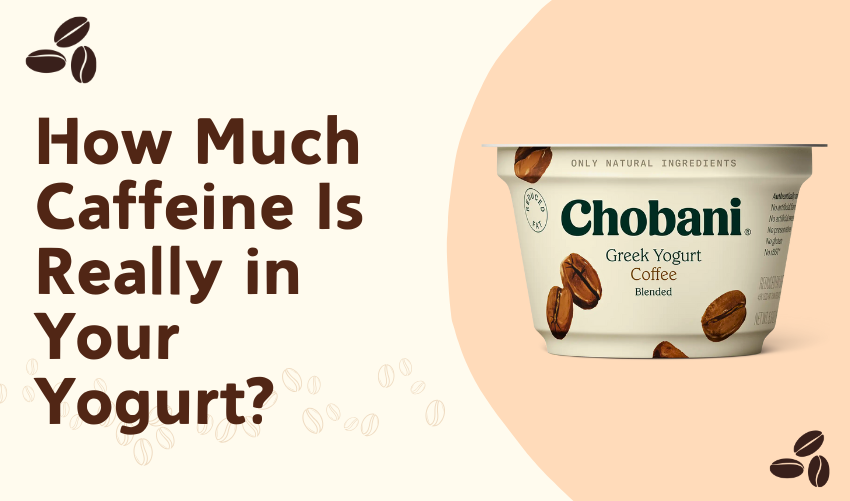
How much caffeine is really in your yogurt? Coffee-flavored yogurts have surged in popularity, but many consumers remain unaware of their actual caffeine content. While these creamy treats offer the rich taste of coffee, their caffeine levels vary dramatically across brands and flavors.
Caffeine in Coffee-Flavored Yogurt
Coffee-flavored yogurt contains caffeine derived from real coffee ingredients, coffee extracts, or natural coffee flavoring. Unlike artificial coffee flavoring, products made with actual coffee beans retain varying amounts of caffeine. The processing methods, coffee bean types, and concentration levels all influence the final caffeine content in your favorite yogurt.
Most coffee yogurts contain significantly less caffeine than a traditional cup of coffee. While a cup of brewed coffee can contain anywhere from 60 to 200mg of caffeine per 8 oz serving, coffee flavored yogurt generally contains much less caffeine. This makes them an excellent option for those seeking coffee flavor without the intense caffeine kick.
Caffeine Content by Popular Yogurt Brands
Chobani Coffee Greek Yogurt
A serving of Chobani Coffee Yogurt (5.3 oz) contains approximately 2.56 mg of caffeine. This minimal amount comes from the coffee flavoring used in the yogurt. Chobani’s coffee yogurt is crafted with real coffee and locally-sourced milk, made with only natural ingredients.
Dannon Coffee Yogurt
Dannon Coffee Yogurt contains around 32mg of caffeine per serving, making it one of the higher-caffeine options available. According to Consumer Reports laboratory testing, Dannon Coffee Yogurt contains 32 mg of caffeine per 5.3 oz container.
Tillamook Stumptown Coffee Yogurt
Tillamook Stumptown Coffee Yogurt contains approximately 70 mg of caffeine per 5.6 oz serving, using Stumptown cold brew coffee blend. This represents the highest caffeine content among mainstream coffee yogurt brands, approaching levels found in some energy drinks.
Other Notable Brands
Several other brands offer coffee-flavored yogurts with varying caffeine levels:
- Noosa Mates Cold Brew: Contains moderate caffeine levels
- Siggi’s Coffee Skyr: Lower caffeine content typical of Icelandic-style yogurt
- Stonyfield Organic: Minimal caffeine from organic coffee flavoring
How Does Yogurt Caffeine Compare to Coffee?
To put yogurt caffeine content in perspective, consider these common caffeine sources:
High Caffeine Options:
- Brewed coffee (8 oz): 95-200mg
- Espresso (1 shot): 63mg
- Energy drinks: 50-300mg
Moderate Caffeine Options:
- Black tea (8 oz): 25-48mg
- Green tea (8 oz): 25-29mg
- Dark chocolate (1 oz): 12mg
Low Caffeine Options:
- Tillamook Stumptown Coffee Yogurt: 70mg
- Dannon Coffee Yogurt: 32mg
- Chobani Coffee Yogurt: 2.56mg
This comparison reveals that even the highest-caffeine yogurts contain less caffeine than most coffee beverages, making them suitable for caffeine-sensitive individuals or afternoon consumption.
Why Caffeine Content Varies Between Yogurt Brands
Several factors contribute to the wide variation in caffeine content across coffee yogurt brands:
Coffee Source and Processing: The type of coffee used significantly impacts caffeine levels. Cold brew concentrates typically retain more caffeine than traditional coffee extracts. Brands using actual coffee beans versus artificial flavoring show marked differences in caffeine content.
Manufacturing Methods: How manufacturers process and incorporate coffee ingredients affects final caffeine levels. Some brands use coffee extracts that naturally concentrate caffeine, while others dilute coffee flavoring to achieve desired taste profiles.
Flavor Intensity Goals: Brands balance coffee flavor intensity with caffeine content. Some prioritize authentic coffee taste, naturally resulting in higher caffeine levels, while others focus on mild coffee notes with minimal stimulant effects.
Health Considerations for Coffee Yogurt Consumption
Daily Caffeine Limits
The FDA recommends limiting caffeine intake to 400mg per day for healthy adults. Coffee yogurts contribute minimally to this limit, allowing consumption alongside regular coffee without concern. Pregnant women should limit caffeine intake to 200 mg per day and opt for caffeine-free yogurt options when possible.
Benefits of Low-Caffeine Coffee Yogurt
Coffee yogurts offer several advantages over traditional caffeinated beverages:
- Sustained Energy: Protein content provides longer-lasting energy than caffeine alone
- Digestive Health: Probiotics support gut health while delivering mild caffeine
- Afternoon-Friendly: Low caffeine levels won’t interfere with sleep patterns
- Nutrient Dense: Combines caffeine with calcium, protein, and beneficial bacteria
Potential Concerns
While generally safe, consider these factors:
- Caffeine Sensitivity: Even small amounts may affect highly sensitive individuals
- Medication Interactions: Consult healthcare providers if taking caffeine-sensitive medications
- Children’s Consumption: Monitor caffeine intake in children, even from yogurt sources
Best Times to Consume Coffee Yogurt
The low caffeine content in most coffee yogurts makes them versatile throughout the day:
Morning Consumption: Coffee yogurt makes an excellent breakfast option, providing gentle caffeine alongside protein and probiotics. The sustained energy from protein complements the mild caffeine boost.
Afternoon Snacking: Unlike regular coffee, most coffee yogurts won’t interfere with sleep when consumed in the afternoon. The minimal caffeine provides a subtle energy lift without late-day jitters.
Pre-Workout Fuel: The combination of caffeine, protein, and easily digestible carbohydrates makes coffee yogurt an ideal pre-workout snack for light to moderate exercise.
Making Informed Choices
When selecting coffee yogurt, consider your caffeine tolerance and daily consumption goals:
For Maximum Caffeine: Choose Tillamook Stumptown or Dannon varieties for the highest caffeine content while maintaining yogurt’s nutritional benefits.
For Minimal Caffeine: Opt for Chobani Coffee or other brands using primarily coffee flavoring rather than actual coffee concentrates.
For Caffeine-Free Options: Some brands offer coffee-flavored yogurts using only artificial flavoring, containing zero caffeine while maintaining coffee taste.
The Future of Caffeinated Yogurt Products
The coffee yogurt market continues evolving, with brands experimenting with different coffee varieties and caffeine levels. Cold brew yogurts are gaining popularity, offering more authentic coffee flavors with naturally higher caffeine content. Some manufacturers are also developing yogurts with added caffeine from natural sources, creating products that bridge the gap between traditional yogurt and energy drinks.
Conclusion
How much caffeine is really in your yogurt depends entirely on the brand and manufacturing process you choose. From Chobani’s minimal 2.56mg to Tillamook’s substantial 70mg per serving, coffee yogurts offer options for every caffeine preference. Most varieties provide significantly less caffeine than traditional coffee while delivering the nutritional benefits of yogurt, making them excellent alternatives for coffee lovers seeking moderation.
Whether you’re looking for a gentle morning energy boost or an afternoon treat that won’t disrupt your sleep, understanding the caffeine content in your favorite coffee yogurt helps you make informed dietary choices. Always check product labels for the most current caffeine information, as formulations may change over time.
Frequently Asked Questions
How much caffeine is really in your yogurt compared to coffee?
Coffee yogurt contains 2.56-70mg of caffeine per serving, while coffee contains 95-200mg per cup, making yogurt a much lower-caffeine option.
Does Chobani coffee yogurt have more caffeine than Dannon?
No, Chobani contains only 2.56mg of caffeine per serving while Dannon contains 32mg, making Dannon significantly higher in caffeine.
Can I eat coffee yogurt at night without affecting sleep?
Most coffee yogurts contain minimal caffeine that’s unlikely to affect sleep, though highly caffeine-sensitive individuals should consume them earlier in the day.
Which coffee yogurt brand has the most caffeine?
Tillamook Stumptown Coffee Yogurt contains the highest caffeine levels at approximately 70mg per 5.6 oz serving.
Is the caffeine in yogurt natural or added?
The caffeine comes naturally from coffee ingredients, extracts, or cold brew concentrates used in flavoring, not from added synthetic caffeine.